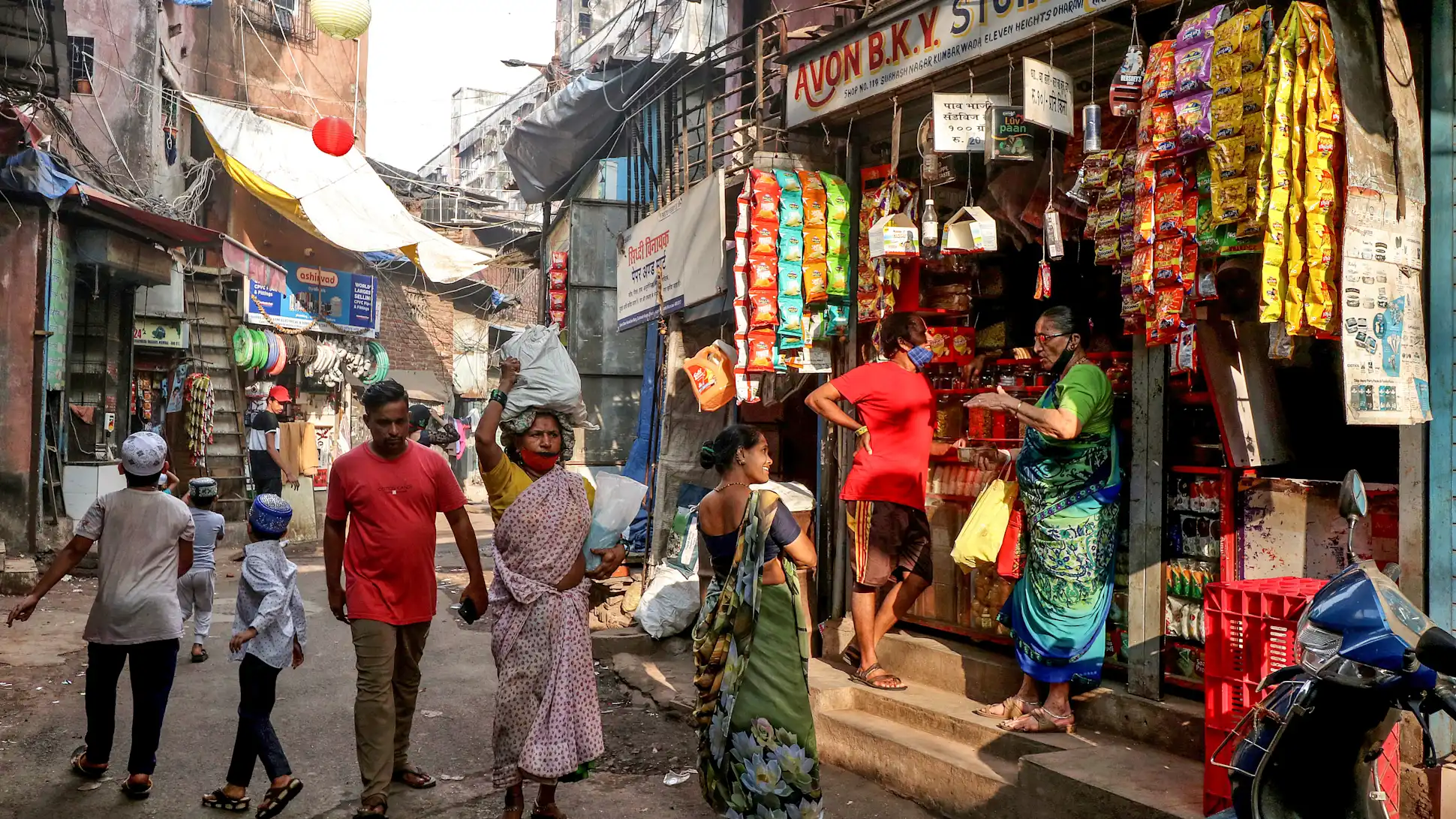
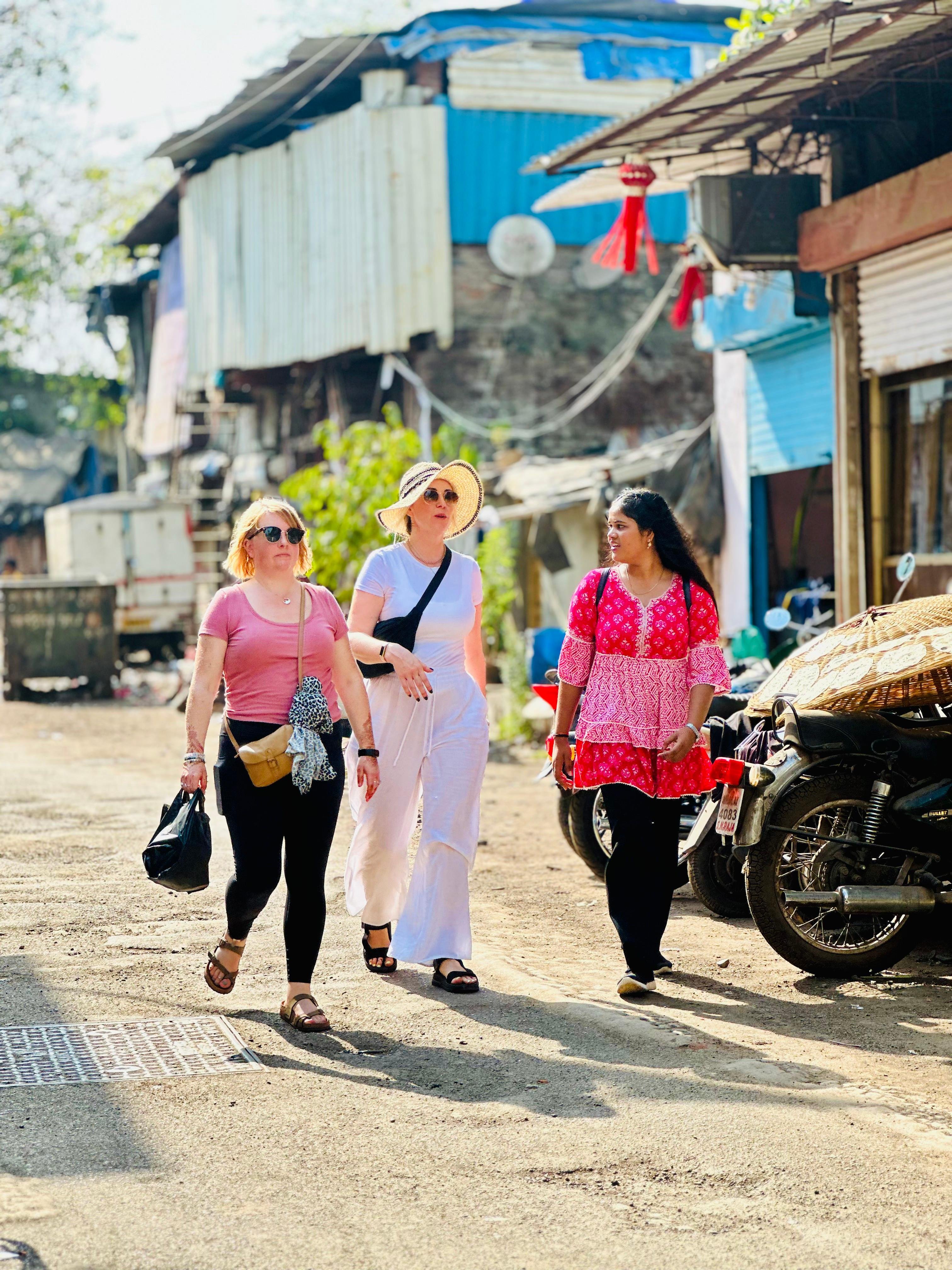
Dharavi Slum Tour
Dharavi Slum Tour
#17 of 244 in Mumbai
Official tickets & experiences

Dharavi Slum Tour

One square mile of enterprise, eight hundred thousand lives in motion

Hand-picked by our editors — only the best 4 ethical tours from 12 reviewed.

4.9 (2,400) 26K+ travelers chose this
Open today 08:00 – 18:00
Attendance: Moderate — summer season
Ensure you follow your guide at all times to navigate the area effectively.
Free cancellation Instant confirmation Mobile voucher Verified partner Book now, pay later
Tickets

Choose your Dharavi Slum tickets

Verified partners for Dharavi Slum tours, free cancellation where available, and instant confirmation on every booking.

Mumbai Local Life: Dharavi, Dhobi Ghat & Dabbawalla Experience 4 hr 30 min
Standard Entry

Mumbai Local Life: Dharavi, Dhobi Ghat & Dabbawalla Experience

4.9 (749)
€13
per person
Instant Mobile voucher Flexible — change up to 24h

Journey through Mumbai's working heart with a local guide—explore Dharavi's industries, witness laundry at scale, and meet the legendary lunchbox carriers.

Reserve
Dharavi Slum & Dhobi Ghat Laundry Walk with Local Resident 3 hr
Standard Entry

Dharavi Slum & Dhobi Ghat Laundry Walk with Local Resident

5 (562)
€3
per person
Instant Mobile voucher Flexible — change up to 24h

Explore Mumbai's working neighborhoods with a guide who calls Dharavi home

Reserve

Prices from verified partners. Availability updates in real time at checkout. Free cancellation policies apply where shown.

Duration
2-2.5 hours
Languages
English, Hindi
Group size
Max 10 participants
Cancellation
Free up to 24 hours
What you'll do

Inside a Dharavi Slum tour, step by step

  1. Introduction
    01 30 min

    Introduction

    Arrival and overview of the neighborhood economy

  2. Recycling Zone
    02 60 min

    Recycling Zone

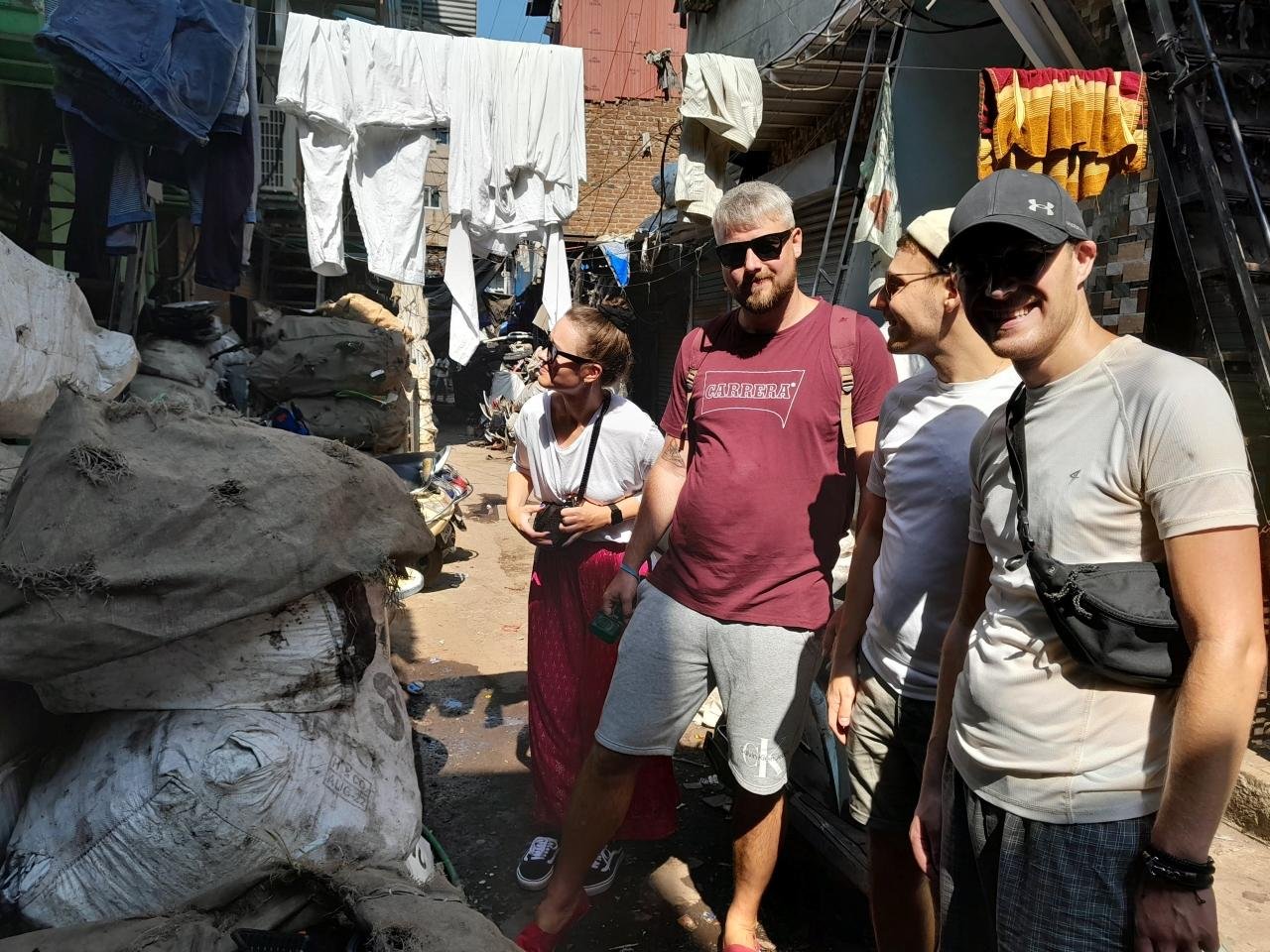
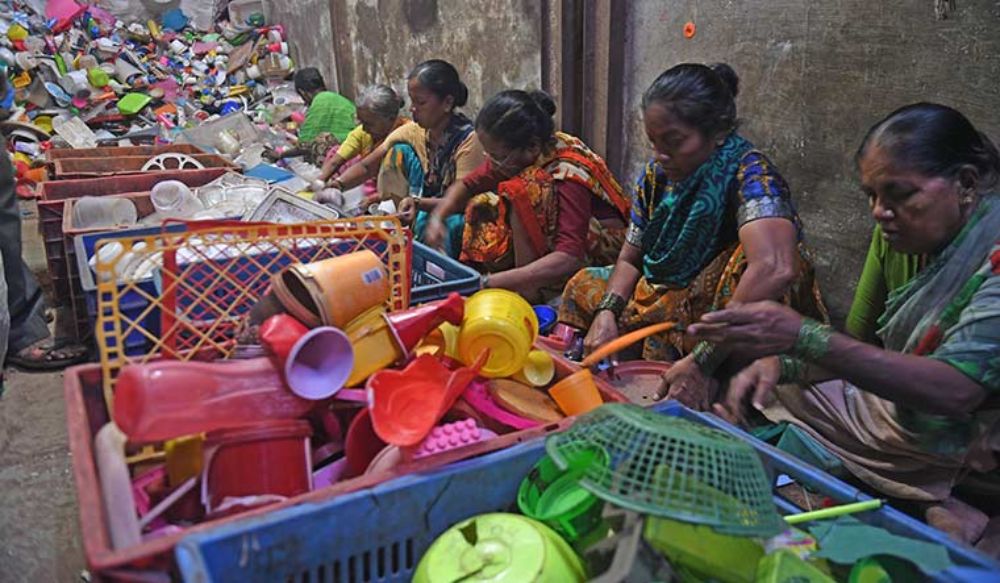
    Observe plastic and metal recycling processes

  3. Textile workshops
    03 45 min

    Textile workshops

    Tour local leather and garment production centers

  4. Community areas
    04 30 min

    Community areas

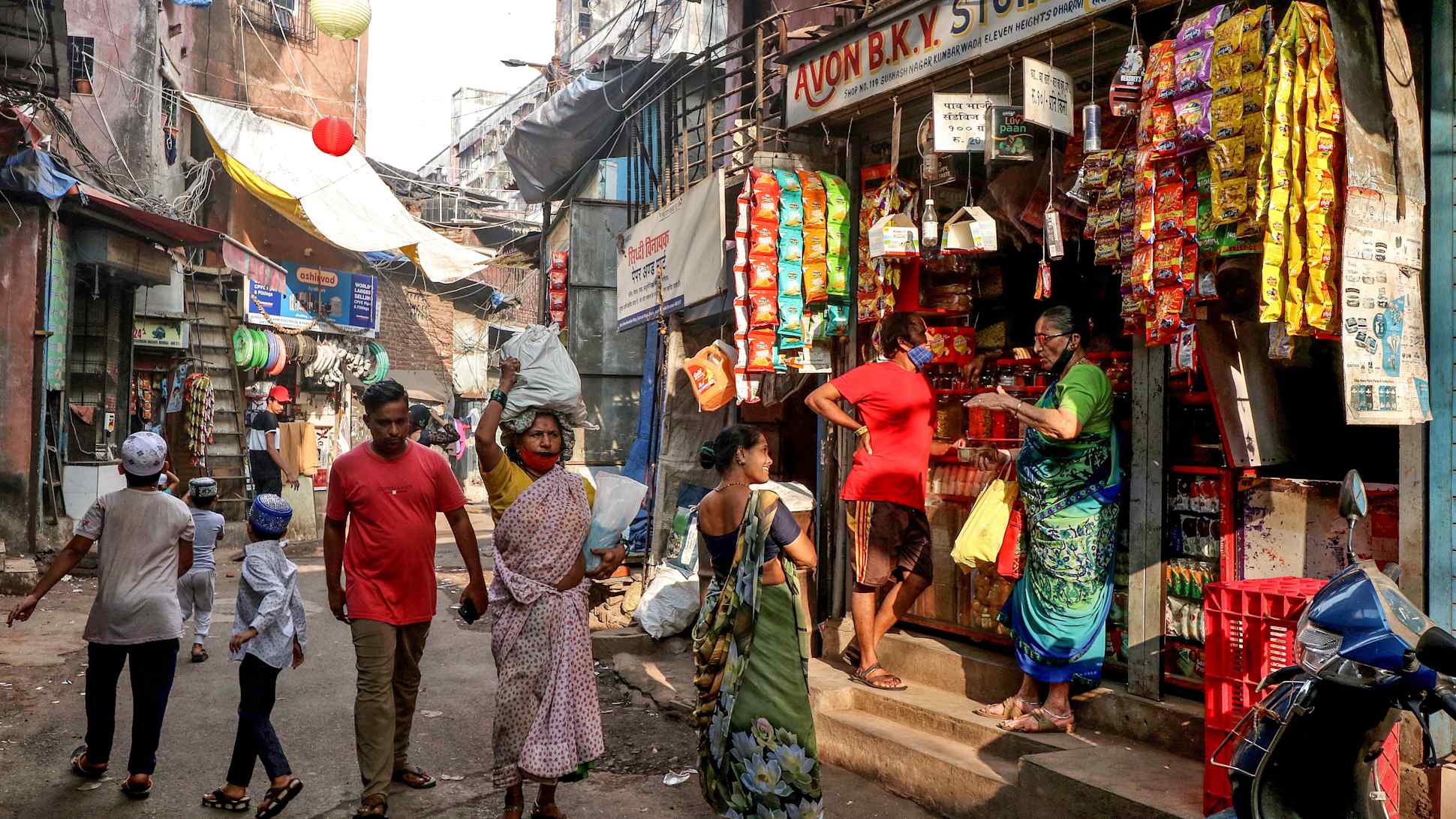
    Visit residential clusters and local schools

Highlights

What you'll see inside Dharavi Slum

The landmarks, rooms, and views travelers on Dharavi Slum tours remember — all visible on a single visit.

Recycling Center

Recycling Center

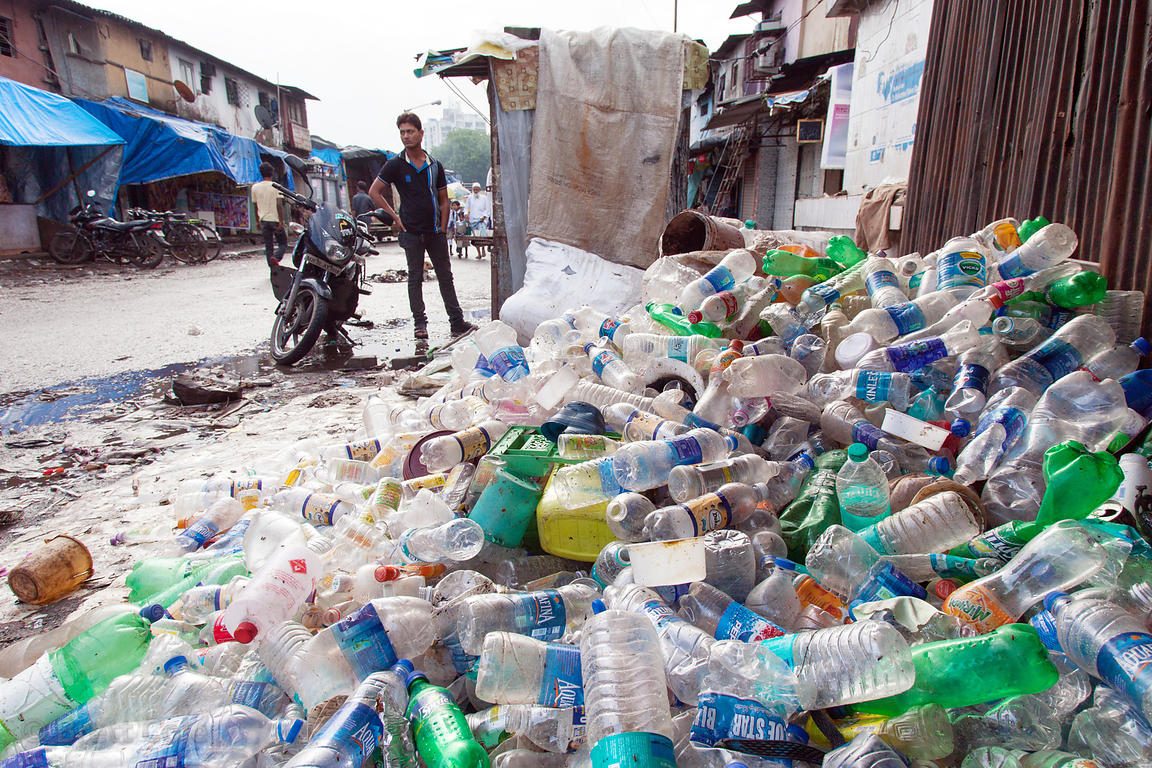
This facility demonstrates the extensive plastic and metal sorting processes that support the local economy. It handles tons of material daily.

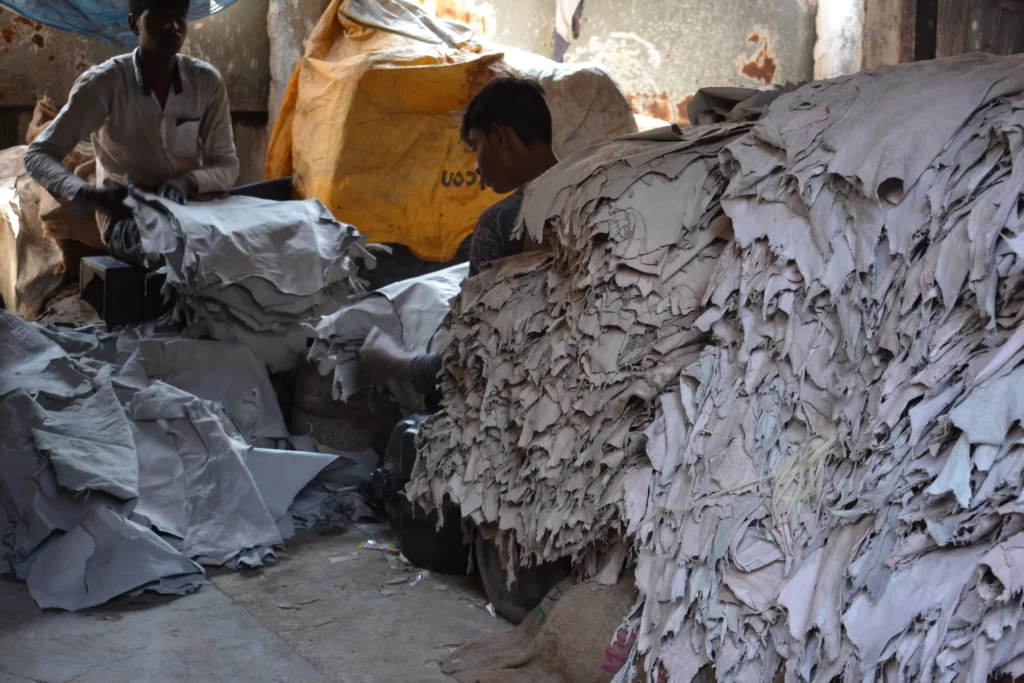
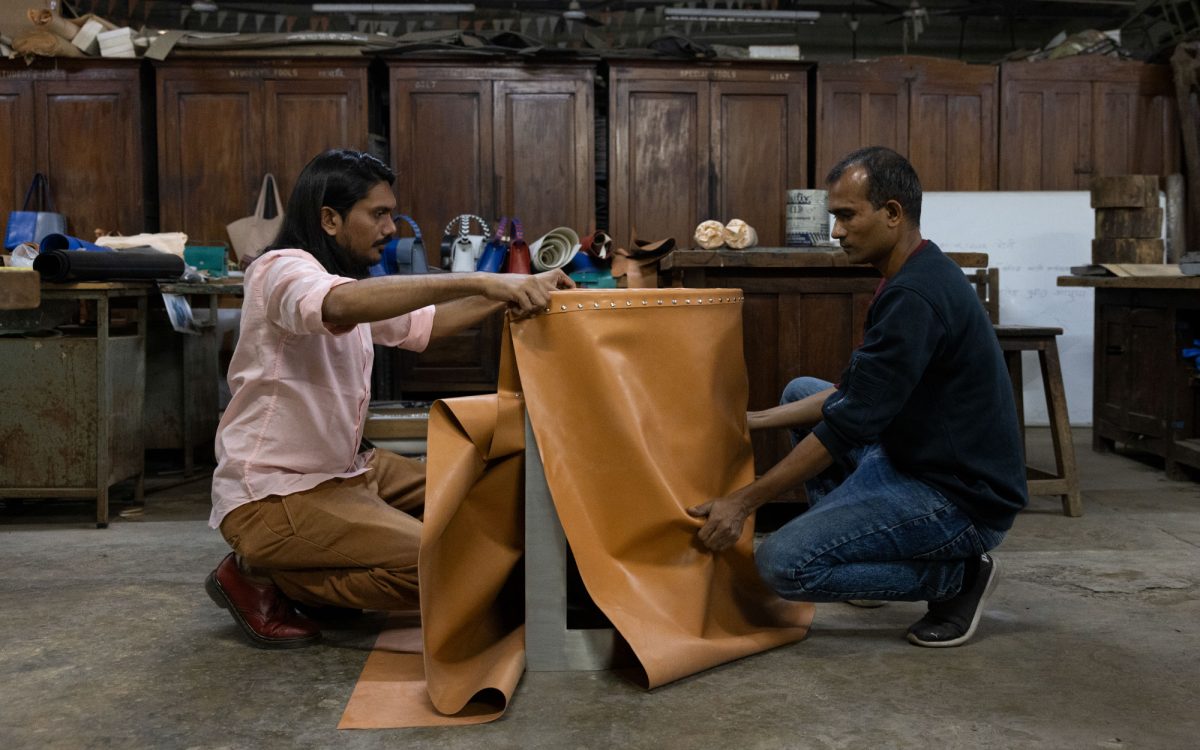
Leather Workshops

Leather Workshops

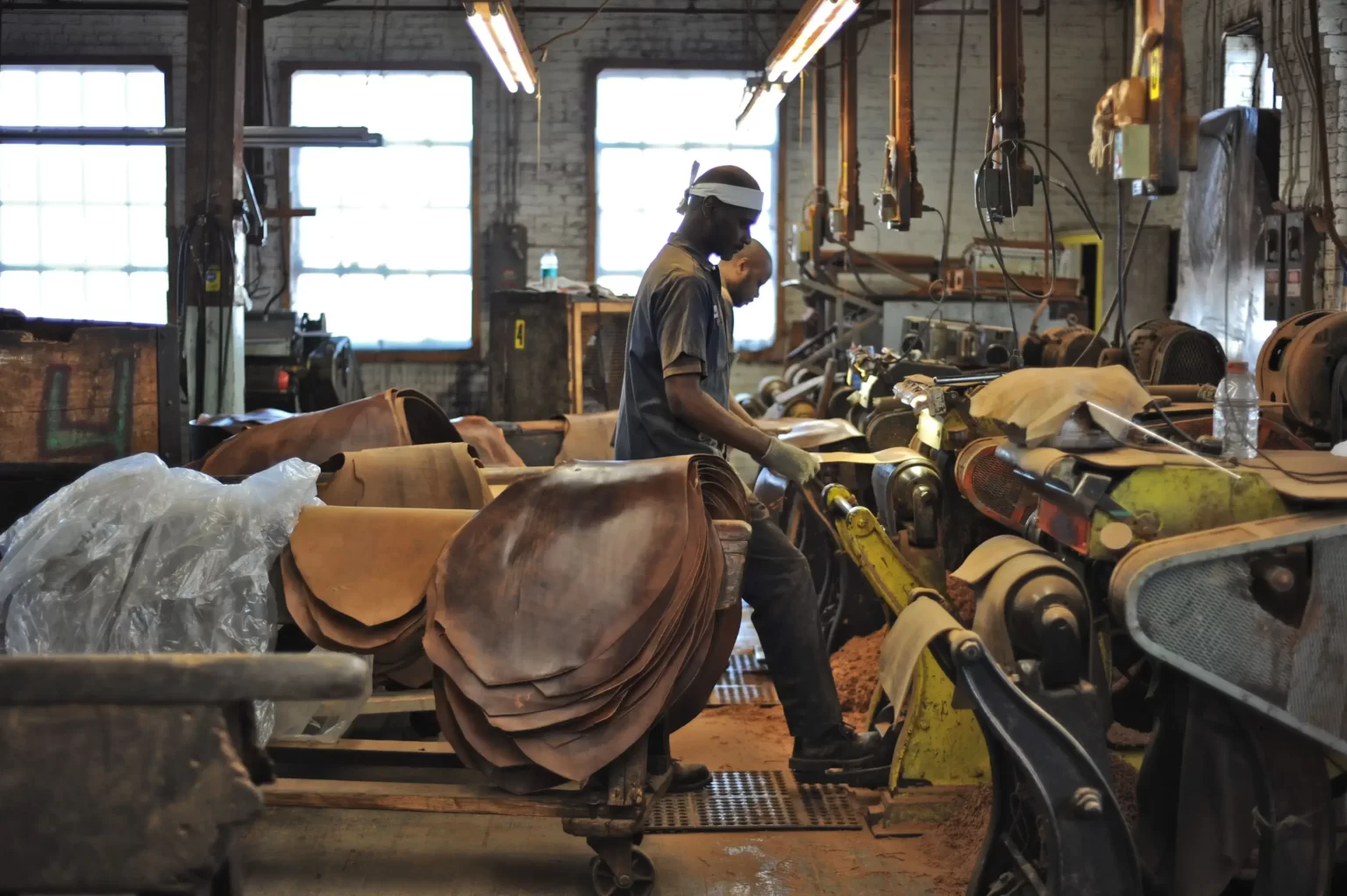
These workshops are known for high-quality leather goods production. Visitors can see the step-by-step process of tanning and stitching.

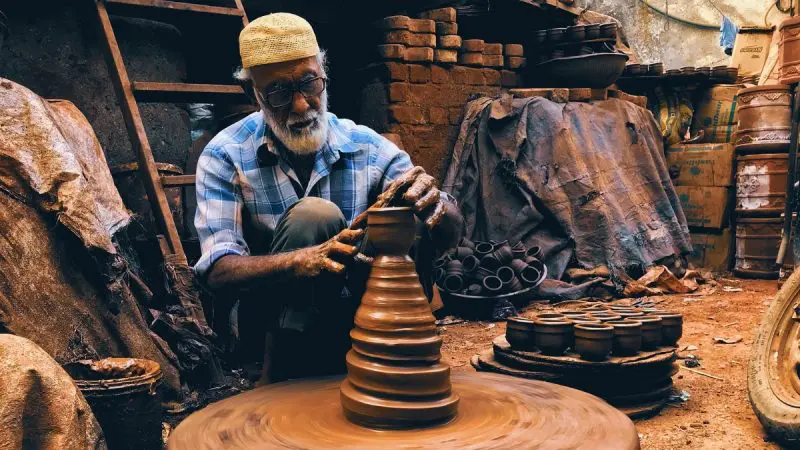
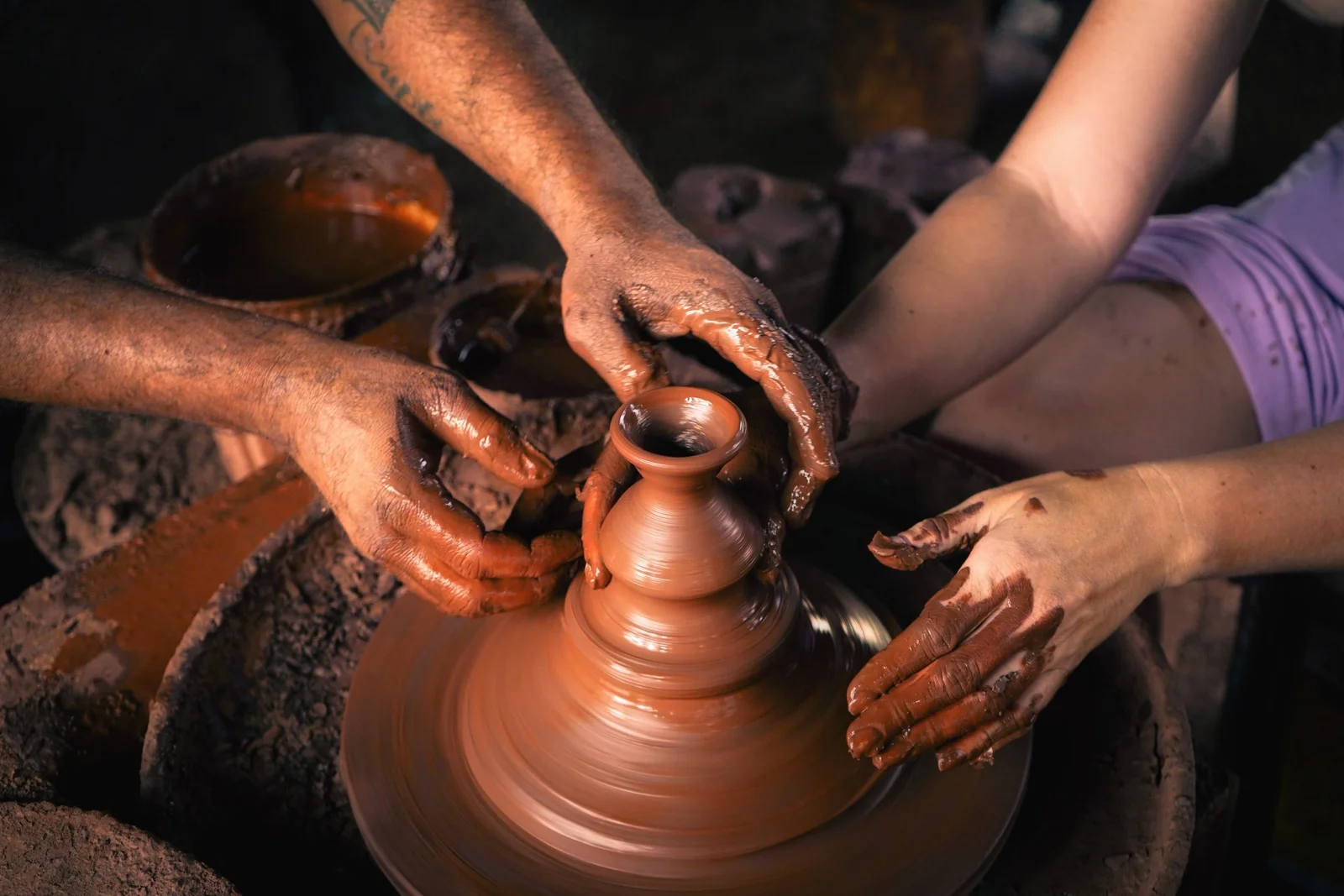
Pottery Colony

Pottery Colony

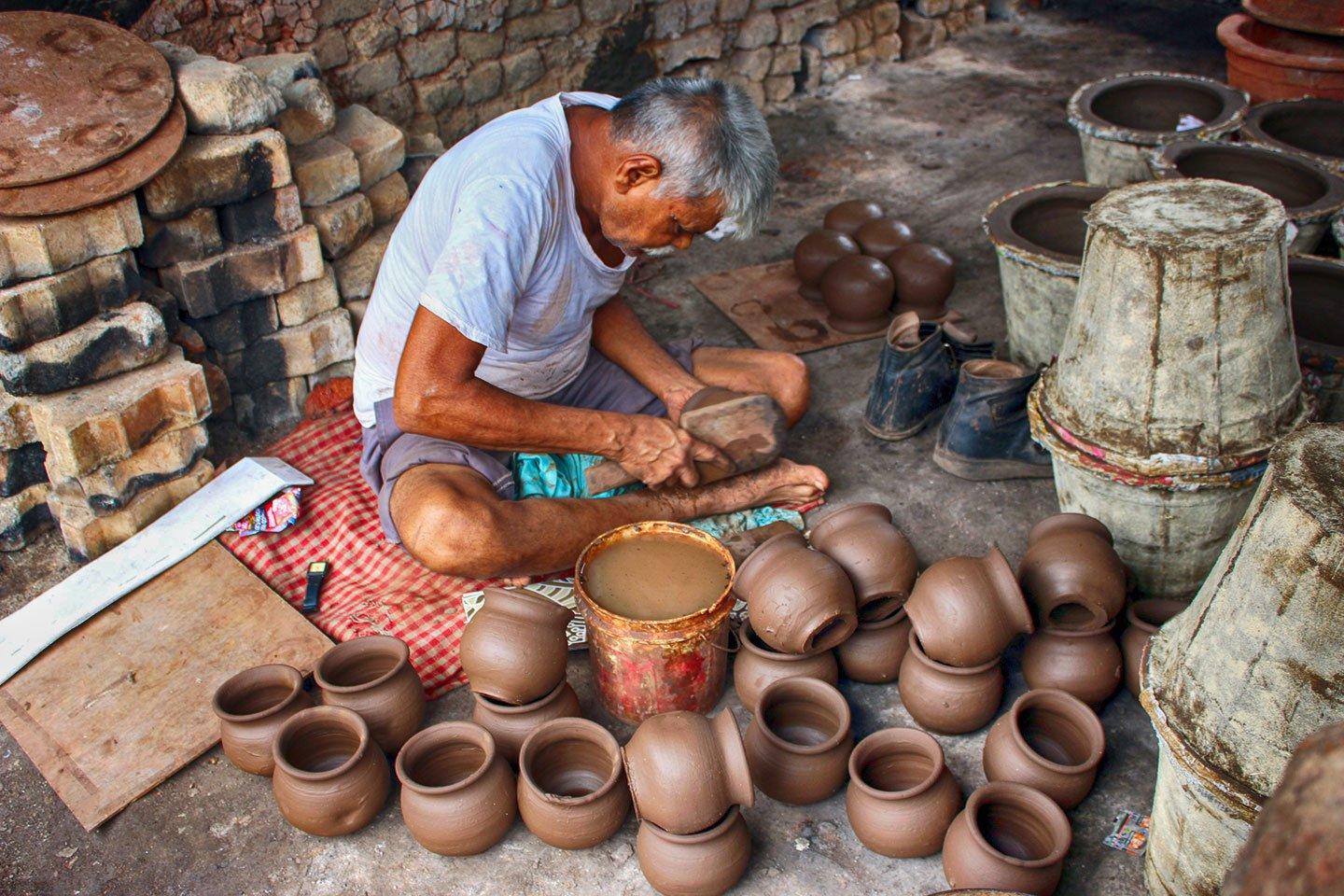
This area showcases traditional clay molding techniques used by residents for generations. It remains one of the oldest settlements in the region.

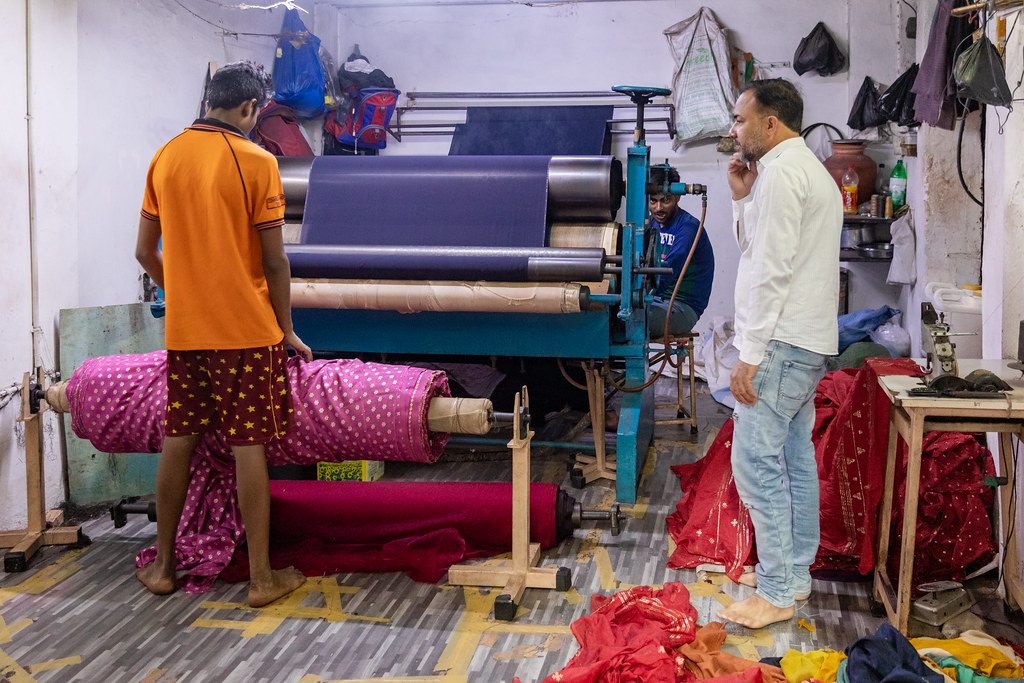
Textile Units

Textile Units

Small-scale manufacturing units produce clothing and fabrics for wider distribution. These workshops reveal the scale of local productivity.

Community Centers

Community Centers

These hubs focus on educational and social development programs for the neighborhood. They highlight the community spirit inherent in the area.

Compare

Dharavi Slum tickets & tours compared

Every Dharavi Slum tour side-by-side — duration, what's included, how you redeem.

Experience DurationRatingSkip-the-lineGuideSmall groupFree cancel. Price
Standard Entry
Mumbai Local Life: Dharavi, Dhobi Ghat & Dabbawalla Experience
4 hr 30 min★ 4.9 €13 Book →
Standard Entry
Dharavi Slum & Dhobi Ghat Laundry Walk with Local Resident
3 hr★ 5.0 €3 Book →

All prices from verified partners. Availability and exact terms confirmed at checkout.

Head to head

Dharavi Slum Tour vs Self-Guided Exploration: Choosing Your Approach

Professional guides provide essential context and secure navigation, whereas self-guided visits lack the structured insight needed to understand this complex Mumbai landmark. While a dharavi slum tour provides a safe environment, wandering alone makes it difficult to engage meaningfully with local communities.

Feature Top pick Dharavi Slum Tour Self-Guided Walk
Safety and Guidance
No external support
Cultural Sensitivity
Risk of intrusive behavior
Access to Industrial Workshops
Restricted to public walkways
Depth of Local Narrative
Limited to visual observation
Ethical Impact
Benefits minimal for residents

Verdict: Opt for dharavi slum tour tours to ensure an ethical experience, or utilize dharavi slum tour tickets for structured access that respects the privacy of residents while providing a comprehensive dharavi slum tour tour of the region.

How your ticket works

Book Dharavi Slum tours in 3 steps

  1. 01

    Book online

    Choose your ticket, select your date, and reserve in under two minutes. Secure checkout handled by our verified partner.

  2. 02

    Receive your mobile voucher

    Instant confirmation by email, with a mobile voucher you can save offline. No printing, no queuing at a collection desk.

  3. 03

    Show & enter

    Arrive at the entrance, show your voucher on your phone, and walk in. Most tickets include priority or skip-the-line access.

Plan your visit

Plan your Dharavi Slum visit

Practical details for Dharavi Slum tickets straight from our verified partners — hours, access, rules, and how to get there.

Open today · 08:00 – 18:00
Opening Hours
08:00–18:00
Address
Dharavi, Mumbai, Maharashtra 400017, India
Accessibility
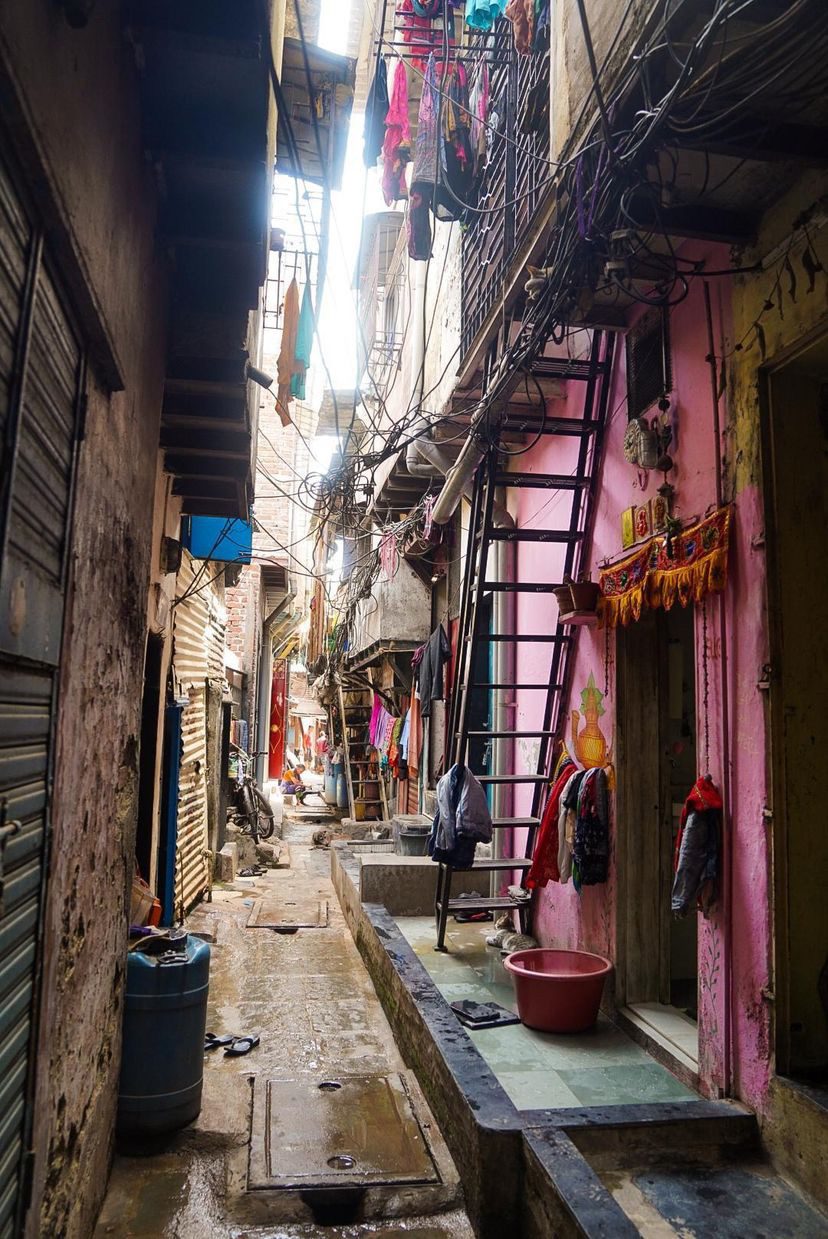
Narrow alleys with uneven terrain; mobility aid use is difficult.
Best Arrival
08:00–17:00
Storage
No secure luggage storage provided at site.
Area Type
High-density industrial and residential neighborhood
Mon
08:00 – 18:00
Tue
08:00 – 18:00
Wed
08:00 – 18:00
Thu
08:00 – 18:00
Fri
08:00 – 18:00
Sat
08:00 – 18:00
Sun
08:00 – 18:00
Main entrance

Mahim Junction

Dharavi Main Road

Look for your guide holding a branded sign

Open in Google Maps
Address
Dharavi, Mumbai, Maharashtra 400017, India
Storage
No secure luggage storage provided at site.
Area Type
High-density industrial and residential neighborhood

How to get there

🚆
Public transport · 30 min · 10-20 INR

Take the Western Line local train to Mahim or Sion station.

🚕
Taxi · 45 min · 200-500 INR

Hire a cab directly to Dharavi Main Road.

Dress code

Modest clothing covering shoulders and knees is strictly required out of respect for local customs. Wear comfortable, closed-toe walking shoes due to the nature of the ground.

Bags & security

Keep all personal belongings close and secure. Avoid carrying large backpacks or bulky bags that may obstruct narrow alleyways during the dharavi slum tour.

Photography

Photography is restricted in many areas to protect resident privacy. Always ask your guide for permission before taking photos of people or private dwellings.

Accessibility

The area is not wheelchair accessible due to narrow, uneven paths and frequent congestion. Visitors must be comfortable walking for extended periods on varied surfaces.

Mobile phones

Mobile phones are permitted for communication. Keep them in pockets or bags when not in active use to ensure focus on the tour.

What to bring

  • Bottled water
  • Sunscreen
  • Comfortable walking shoes
  • Small backpack
  • Identification
  • Hand sanitizer

Not allowed

  • Drones
  • Tripods
  • Large professional camera stabilizers
  • Alcohol
  • Illegal substances
  • Weapons
  • Large suitcases
  • Excessive cash
  • Valuable jewelry

Families & strollers

Children are welcome but must remain close to the group at all times. The environment can be overwhelming, so parental discretion is advised for younger children.

Food & drink

Carry your own bottled water to stay hydrated. Local street food should be avoided unless explicitly recommended by your tour guide.

Pets

Pets are not permitted on the tours. The crowded industrial environment is unsuitable for animals.

Good to know

The dharavi slum tour requires a guide for navigation. Respect the active industrial sites and avoid touching machinery or products in workshops.

Meeting point

Dharavi Slum tour meeting point

Mahim Junction

Mahim Junction

Dharavi Main Road

Look for your guide holding a branded sign

Get directions
Around your visit

Dharavi Slum — everything else worth knowing

Best time to go, insider tips, nearby landmarks, and the cancellation fine print — flip through to skim what matters to you.

Best time to visit Dharavi Slum

How crowds, weather, and events shift across the year.

Summer

High humidity with temperatures around 30°C. Best to start early in the morning.

Monsoon

Expect rain; muddy paths can make walking challenging.

Winter

Most comfortable weather for walking, generally cooler and dry.

Spring

Increasing warmth; reliable daylight for the dharavi slum tour.

Helpful tips for your visit to Dharavi Slum

Small details that turn a good visit into a great one.

Follow your guide

Stay with the designated guide to avoid getting lost in the dense network of lanes.

Respect privacy

Always ask before photographing residents or their shops.

Start early

Begin the dharavi slum tour by 08:00 to maximize daylight and witness active workshop production.

Stay hydrated

Carry sufficient water during the warmer months.

Avoid peak heat

Try to schedule your visit during the cooler morning hours.

Landmarks near Dharavi Slum

Non-bookable sights within a short walk — free to visit, easy to pair.

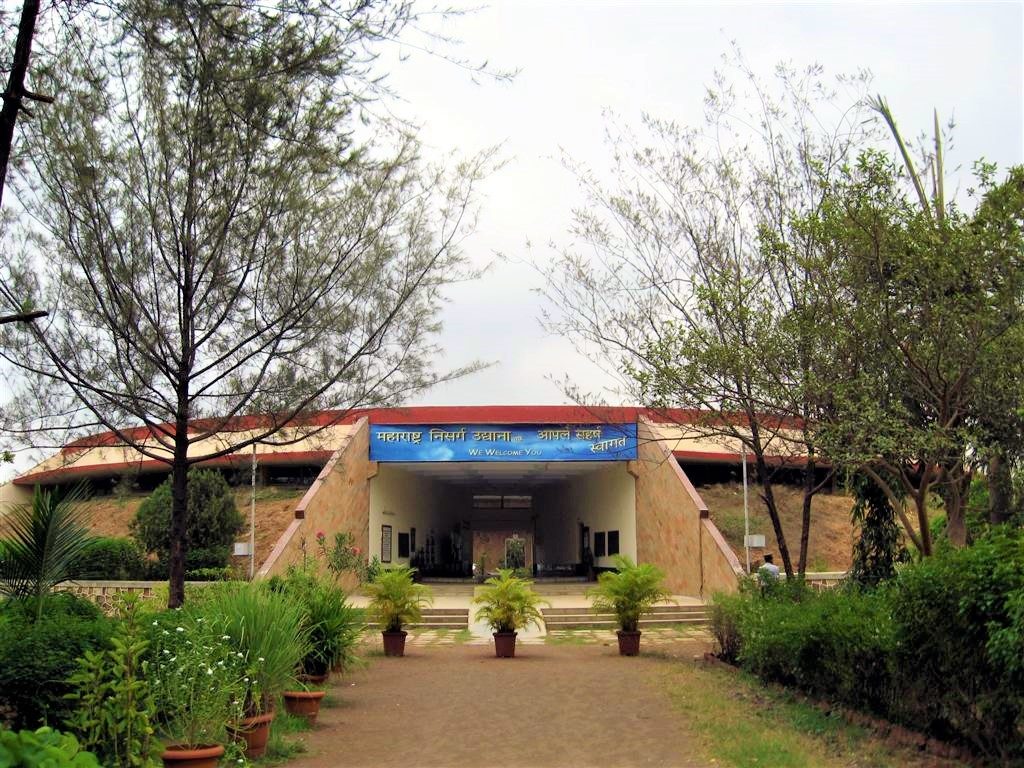
Mahim Nature Park

Mahim Nature Park

10 min walk

Green space providing a contrast to the dense urban environment.

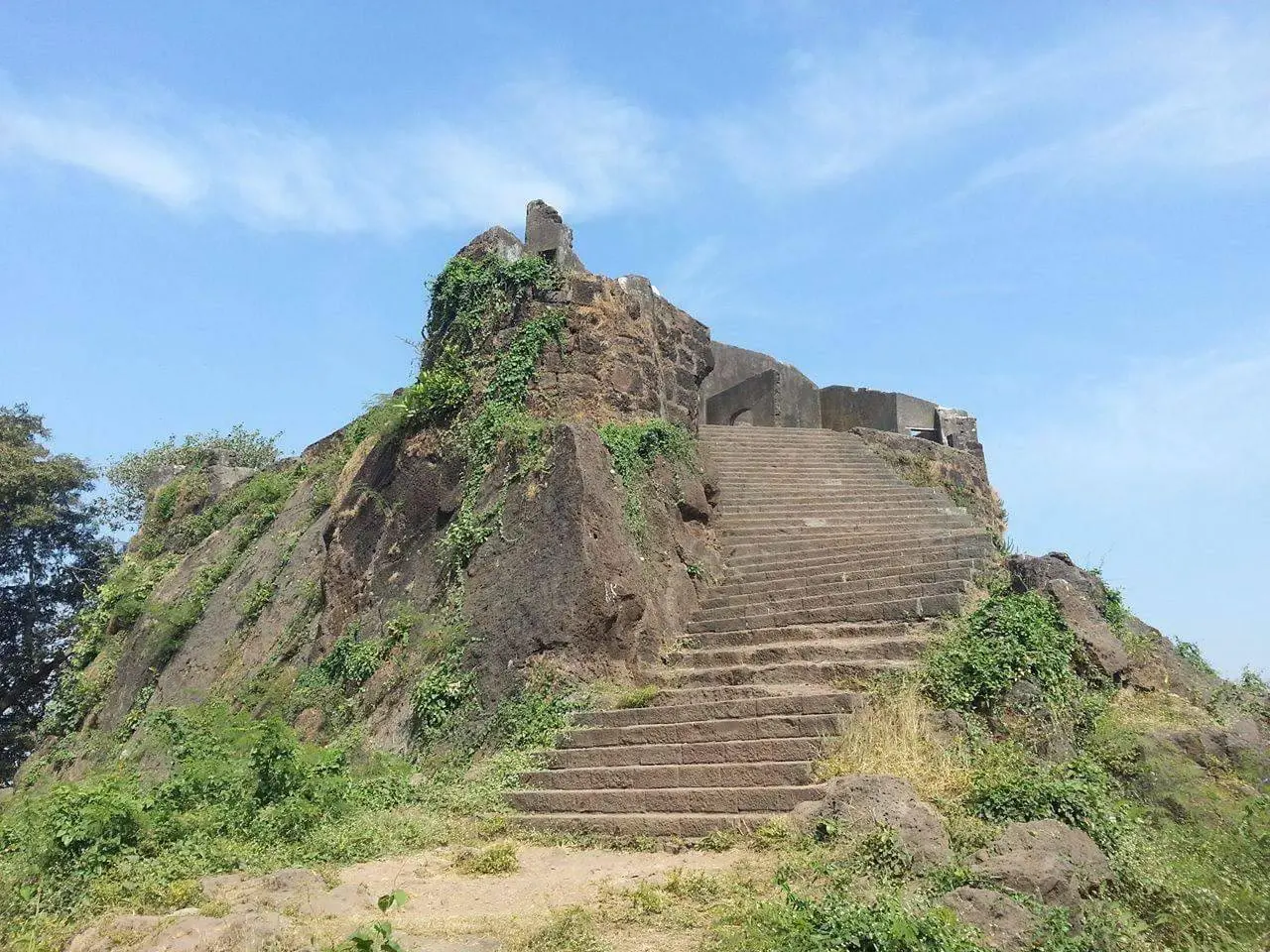
Sion Fort

Sion Fort

15 min walk

Historic fort offering elevated views of the surroundings.

Bandra-Worli Sea Link

Bandra-Worli Sea Link

15 min drive

Modern engineering marvel visible from the outskirts.

Cancellation policy

Flexible, no hidden fees.

Private booking cancellations must be made 24 hours in advance for a full refund. The area itself has 0 INR entrance fee.

Traveler reviews

Dharavi Slum tour reviews

4.9
★ ★ ★ ★ ★
2,400 reviews
26K+ travelers chose this
  • "Our guide grew up in Dharavi and shared stories no documentary could capture. Walking through the recycling district revealed an economy processing materials for all of Mumbai. The pottery quarter still uses traditional kilns, and we watched artisans shape clay by hand. This tour reshaped how I understand informal settlements."
    Priya K. · India · 2026-07-14
  • "The dharavi slum tour revealed a thriving micro-economy I never expected. We saw leather workshops exporting goods internationally, bakeries producing thousands of loaves daily, and textile units running efficient operations. Our guide explained how the community generates over $1 billion annually. Small lanes connect distinct production zones."
    James H. · United Kingdom · 2026-06-22
  • "Reality Tours employs local residents as guides, which made all the difference. We visited a recycling cooperative sorting plastic by type, a process requiring real skill. The embroidery district produces garments for major Indian brands. Photography restrictions protect resident privacy. The two-hour walking route covers maybe half a square kilometer but feels like a complete city."
    Chen W. · Singapore · 2026-05-18
  • "Dharavi walks require decent fitness—narrow passages, uneven ground, and tropical heat. Our guide coordinated the timing so we saw the pottery kilns firing at peak temperature. The community has its own schools, temples, mosques, and churches all within walking distance. Some areas felt intrusive to photograph despite permission. Proceeds support local NGOs."
    Laura M. · Germany · 2026-04-09
  • "I booked a dharavi slum tour expecting poverty tourism but found a self-sufficient community instead. Workshops operate in spaces barely two meters wide yet produce export-quality goods. The recycling sector here processes 80% of Mumbai's plastic waste. Our guide introduced us to a family-run papadum business in its third generation. Residents were welcoming, not objects of pity."
    Raj P. · United States · 2026-03-25
  • "Reality Tours caps groups at twelve people, which kept the experience intimate. We walked through the garment district where sewing machines lined every corridor. A local chai stop midway gave us time to process what we were seeing. The guide explained land tenure issues without getting political. Dharavi has better recycling infrastructure than most formal neighborhoods."
    Sophie L. · France · 2026-02-11
  • "The dharavi slum tour tickets include a detailed map showing thirteen distinct micro-industries. We spent time in the leather tanning area, which uses vegetable dyes and traditional methods. Children played cricket in narrow lanes between workshops. Our guide grew up here and now runs a community center. The tour avoids residential areas to respect privacy."
    Ahmed S. · United Arab Emirates · 2026-01-19
  • "Dharavi functions as a vertical village—ground floors house workshops, upper floors are residential. The bakery district starts production at 3am daily. We met a woman leading a waste-pickers collective that negotiated better rates with the city. The tour challenges every stereotype about informal settlements. Small businesses here employ family members across three generations."
    Emma T. · Australia · 2025-12-03
  • "Tour groups in Mumbai skip Dharavi but it taught me more than any monument. The recycling process is entirely manual—workers can identify dozens of plastic types by touch. We visited during Diwali preparations and saw temporary shops selling decorations in every alley. Tours in dharavi slum tour format should be the standard for responsible tourism."
    Carlos R. · Brazil · 2025-10-28
  • "Our guide explained how Dharavi formed in the 1880s when fisherfolk settled the marshland. Now it houses nearly a million people in less than three square kilometers. The pottery cooperative exports to five countries. We saw a rooftop school with solar panels. The tour lasted two hours but I spent days processing the experience. Residents here built a functional city without formal planning."
    Yuki N. · Japan · 2025-09-15
1★
780
2★
920
3★
1800
4★
4100
5★
18200
Where to stay

Hotels & districts near Dharavi Slum

Hand-picked options within walking distance — pick a district for vibe, or a specific hotel for convenience.

Bandra Hotels

Bandra Hotels

15 min drive
Mid-range

District with many accessible guest houses.

South Mumbai

South Mumbai

45 min drive
Luxury

Central hub for international hotel chains.

Dharavi Slum Tour: Community-Led Mumbai Experience
About

Dharavi Slum Tour: Community-Led Mumbai Experience

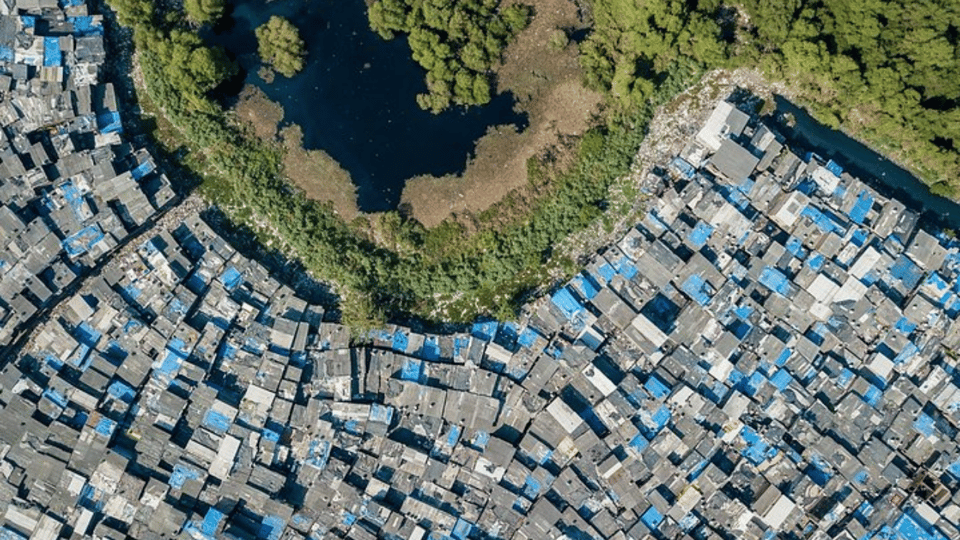
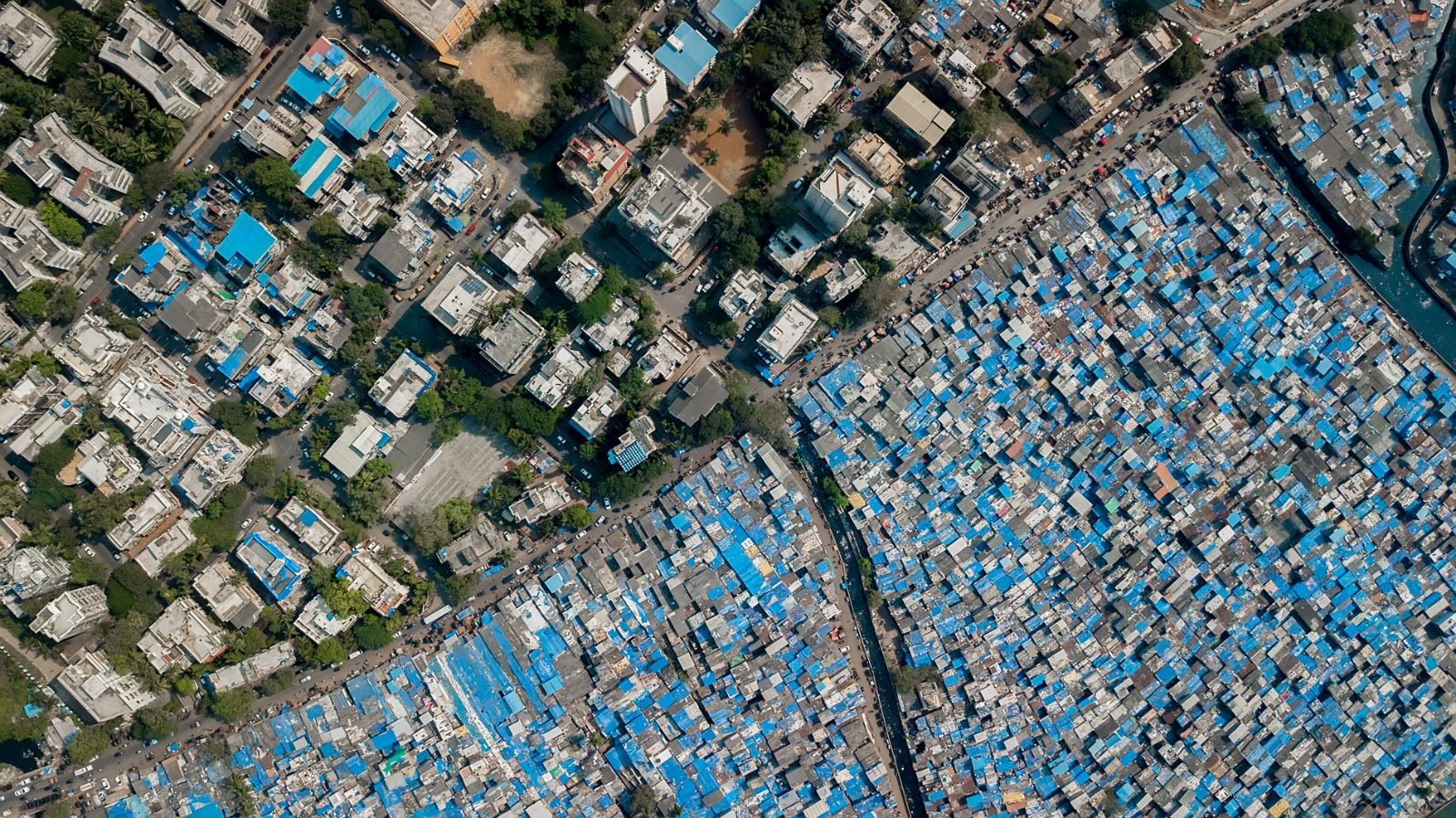
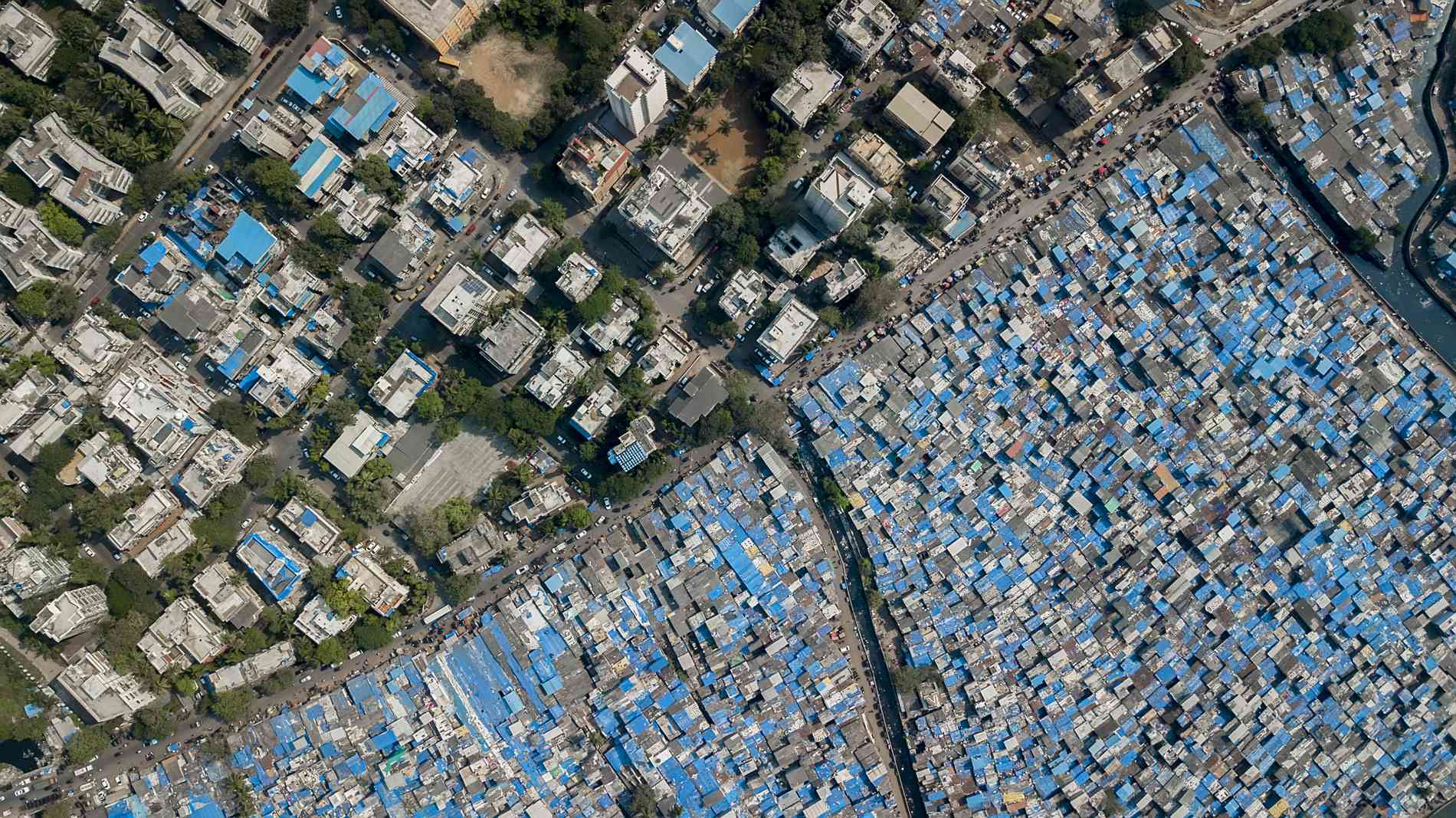
Dharavi occupies 535 acres of reclaimed marshland between Mumbai's Western and Central railway lines, yet it generates an estimated annual economic output exceeding one billion US dollars.

Read more

What began as a fishing village in the late nineteenth century evolved into an industrial enclave when Tamil leather tanners and Gujarati potters settled the low-lying ground. By the 1960s, the neighbourhood had absorbed wave after wave of rural migrants drawn to Mumbai's textile mills, and the informal economy took root in the narrow lanes. Today, Dharavi is home to more than fifteen thousand single-room factories producing leather goods, textiles, pottery, recycled plastics, and hand-embroidered garments exported to Europe and North America. The 80-13 recycling initiative, managed by local cooperatives, processes upward of eighty percent of Mumbai's plastic waste within these workshops, a figure that rivals municipal systems across the subcontinent.

The settlement's global profile surged after the 2008 release of a British film set partly within its lanes, yet Dharavi's significance extends far beyond cinematic representation. Urban planners and economists regard the area as a model of high-density entrepreneurship, where vertical supply chains operate within a single city block and where a potter's kiln sits three doors from a textile finishing unit. The spatial logic defies Western zoning: residential, commercial, and light-industrial functions occupy the same structure, often the same floor. This hyper-local production model minimizes transport costs and allows artisans to respond to wholesale orders within days. International design schools and business faculties now include Dharavi case studies in curricula on informal urbanism and circular economies.

Community-led tourism emerged in the early 2000s when resident organizations sought to counter the sensationalist narratives that framed Dharavi solely as a site of poverty. The Dharavi slum tour model, pioneered by social enterprises staffed by local guides, emphasizes economic resilience and craft heritage over deprivation. Visitors walk through the leather tanneries of the Kumbharwada pottery quarter, observe the twelve-step recycling process that transforms discarded shampoo bottles into raw polymer pellets, and meet fourth-generation embroiderers whose work appears in European fashion houses. The tours operate on a revenue-sharing agreement: seventy percent of fees return to community projects, including the Acorn Foundation's vocational training programs and the Dharavi Diary cooperative.

Ethical tour operators require advance booking and maintain group sizes below eight participants to minimize disruption. Photography protocols, established in consultation with resident committees, prohibit images of individuals without explicit consent and restrict camera use inside family homes. The Mahim Creek mangrove corridor, visible from the northern edge, forms a natural boundary and serves as a reminder that Dharavi's origins lie in tidal ecology. Guided walks typically run two to two and a half hours, beginning at the 90 Feet Road entry point near Mahim Junction and concluding at the potters' cooperative near Sion station.

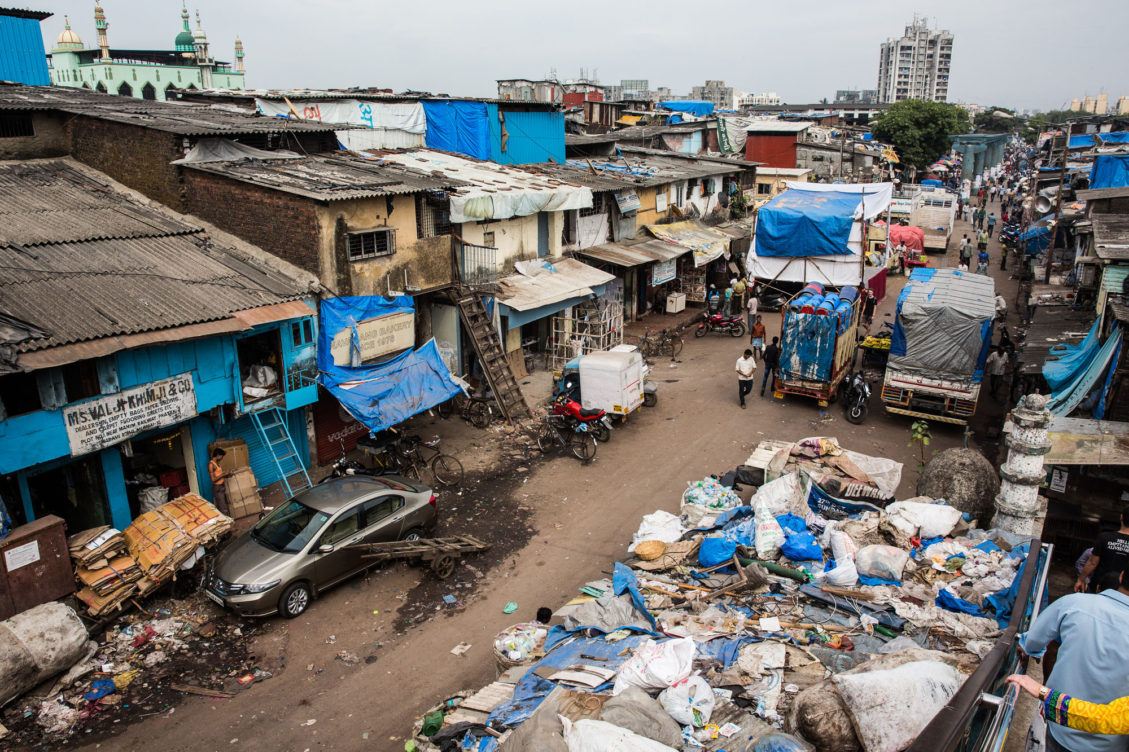
"Upward of eighty percent of Mumbai's plastic waste is processed within these workshops, a figure that rivals municipal systems across the subcontinent."
Your experience

What a Dharavi Slum tour day looks like

A step-by-step walkthrough of Dharavi Slum tickets — what you'll see, how long each stage takes, and the details that matter.

You meet your guide at the 90 Feet Road entrance, where the commercial spine of Dharavi begins.

Read more

The first twenty minutes take you past the recycling yards, where workers sort mountains of plastic by polymer type — PET bottles in one bin, HDPE containers in another — before feeding them into grinding machines that reduce the waste to confetti-sized flakes. The noise is constant, the air thick with the smell of melted plastic, yet the choreography is precise: each worker occupies a single station in a twelve-step chain that ends with bales of raw pellets ready for resale.

You turn into the leather quarter, where tanners work in open-fronted workshops no wider than ten feet. Hides hang on wooden racks, and the floors are slick with dye runoff. Your guide explains that the tanneries have operated here since the 1930s, supplying leather to bag manufacturers in the lanes behind you. You pass a potter shaping clay on a kick wheel, his hands moving in a rhythm learned from his grandfather, and then climb a narrow staircase to a rooftop embroidery unit where six women work on a bulk order for a Delhi wholesaler. The fabric is destined for export.

The walk concludes at the Kumbharwada pottery cooperative, where finished terracotta lamps cool in the shade. Your guide offers tea and answers questions. The entire route covers less than a mile, yet you have crossed a dozen micro-industries, each one embedded in a global supply chain that begins and ends in these lanes.

Your experience at Dharavi Slum Tour
Frequently asked

Frequently asked questions about dharavi slum tour tours

What are the opening hours for a dharavi slum tour?

The area is open daily from 08:00–18:00. We recommend starting your dharavi slum tour between 08:00–17:00 for optimal daylight.

Is the dharavi slum tour accessible for all?

The area is not accessible due to narrow, uneven alleys. It requires significant walking on varied surfaces.

Do I need dharavi slum tour tickets?

There is 0 INR entrance fee for the area, but private or group dharavi slum tour services require their own fees.

Can I take photos during the dharavi slum tour?

Photography is restricted to protect privacy; always ask your guide before taking pictures. Avoid photographing private interiors.

When is the best time for a dharavi slum tour?

The best time for a dharavi slum tour is during the cooler winter months, starting early in the morning.

What is the dress code for this Mumbai landmark tour?

Wear modest clothing covering shoulders and knees. Closed-toe shoes are essential for walking safely through the area.

Can I bring food on the dharavi slum tour?

It is best to carry bottled water. Avoid eating local street food during the tour unless your guide directs you otherwise.

How do I reach the dharavi slum tour location?

You can reach the area via local train to Mahim or Sion station, or by taxi to Dharavi Main Road.

Are children allowed on the dharavi slum tour?

Yes, families are welcome, but children must remain close to the group. The environment can be very busy.

How does the dharavi slum tour cancellation policy work?

Private dharavi slum tour bookings can be cancelled 24 hours in advance for a full refund.

Keep exploring

More Dharavi Slum tours & experiences

Nearby cities & day trips
Bandra
Adjacent neighborhood for dining