
English| EUR
Suggested for you
More currencies
Choose a language
Dharavi tours spark sharp debate among travelers—some call them eye-opening glimpses into resilient micro-industries, others question the ethics of observing poverty. Reviews help separate respectful community walks from exploitative ventures. This guide compiles feedback from recent visitors, breaks down what different tour formats deliver, and clarifies what you're actually paying for when you book.
Quick answer
Dharavi slum tour reviews consistently highlight knowledgeable local guides, exposure to leather-working and pottery industries, and the density of daily life in narrow lanes. Most visitors rate the experience positively for challenging stereotypes, though ethical concerns appear in roughly one-third of reviews. Tours run daily from 08:00 to 18:00 with no entrance fee to Dharavi itself, though guided walk fees vary widely by operator and group size.
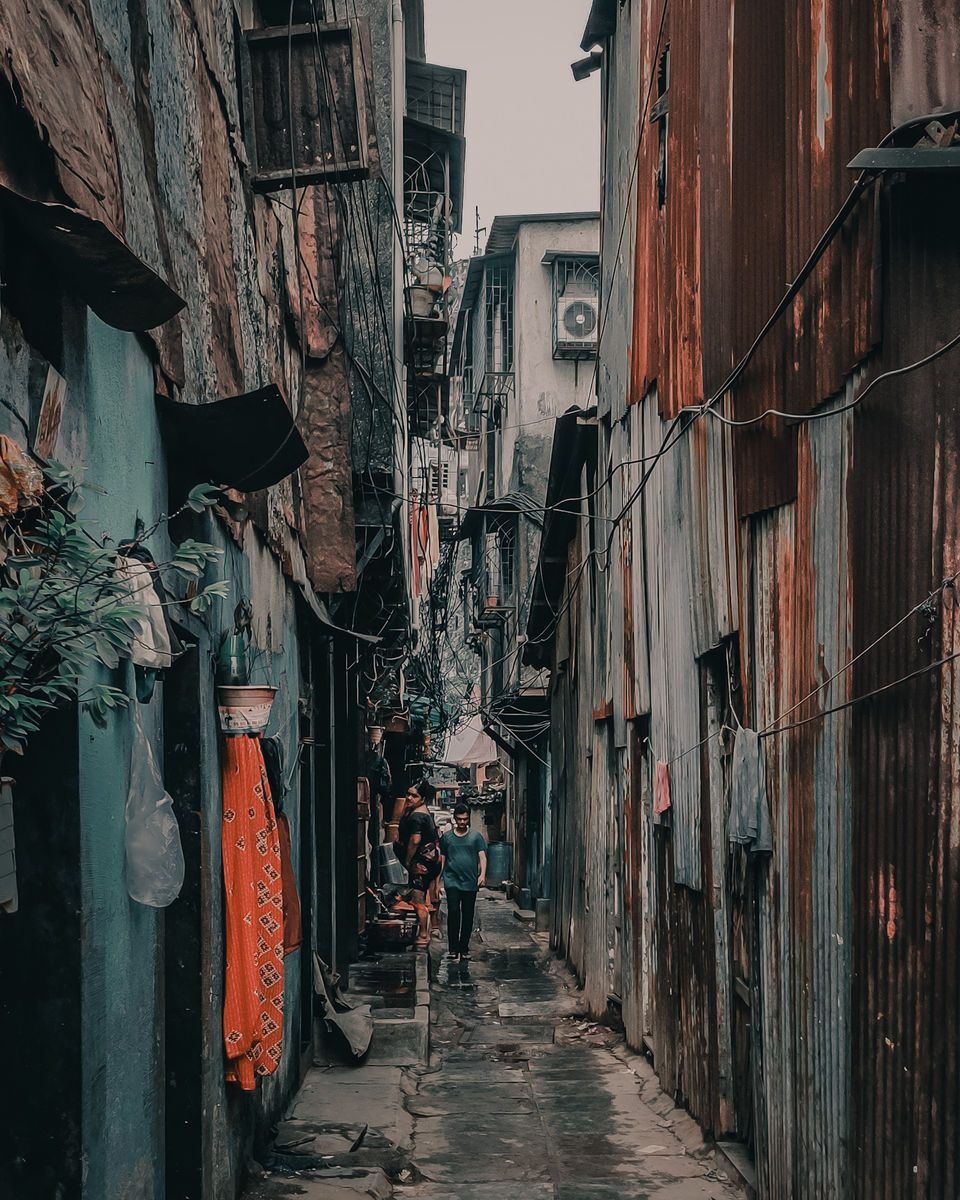
Dharavi produces an estimated annual output exceeding $1 billion from recycling, garment manufacturing, pottery kilns, and leather tanneries—all operating within 2.4 square kilometers. Visitors who expect only poverty often leave describing a layered economy instead. The reviews that resonate most among prospective travelers focus less on shock value and more on whether guides contextualize what you see, introduce residents who consent to interaction, and share revenue with the community. Dharavi slum tour reviews from the past year reveal three recurring themes. First, the guide's background matters—residents of Dharavi or neighboring areas receive higher ratings for nuanced storytelling than external operators reading scripts. Second, group size changes the experience: walks with eight or fewer people allow for conversation in workshops, while larger groups file through quickly and draw more stares. Third, photography policies divide opinion; some tours prohibit cameras entirely to protect dignity, others allow discreet shots with permission, and a minority let tourists snap freely, which consistently attracts criticism in feedback. The most common positive remarks cite learning about recycling supply chains, meeting third-generation potters, and witnessing the spatial ingenuity of 12-by-12-foot homes that house families and micro-factories. Negative reviews cluster around three issues: guides who sensationalize poverty rather than explain economic networks, tours that feel rushed through predetermined routes without resident interaction, and unclear answers about how tour fees benefit locals. Visitors often compare Dharavi community tour experiences to similar walks in Johannesburg, Rio de Janeiro, and Manila—the consensus holds that transparent revenue-sharing and resident-led narration separate responsible tourism from voyeurism. Feedback also highlights practical friction points. The neighborhood's narrow lanes mean no vehicle access; you walk the entire route, typically two to three hours, on uneven pavement and occasional mud during monsoon months. Sanitized restroom access is limited. The sensory intensity—diesel fumes, tannery odors, machine noise—surprises first-time visitors. Reviews suggest booking morning slots when workshops operate at full capacity and natural light improves visibility in covered alleys. Several operators now offer post-tour debriefs in nearby cafés, which visitors report as valuable for processing what they observed and asking follow-up questions away from the neighborhood itself.
“The guide's background matters—residents of Dharavi or neighboring areas receive higher ratings for nuanced storytelling than external operators reading scripts.”
Dharavi is accessible for guided tours daily throughout the week. Adhering to these established operating hours ensures coordination with local guides and ongoing community activities.
Dharavi is a residential and industrial area with no formal entrance fee. Costs for visitors primarily depend on whether one chooses to join a guided tour.
Verdict: While entry is 0 INR, visitors typically pay a fee to third-party operators for guided tours which vary based on the provider.
Dharavi is located in central Mumbai, with most guided tours beginning near Mahim Junction or Sion Station. The most efficient way to reach the area is via the Mumbai Suburban Railway network.
Western Line to Mahim Junction station
Harbour/Central Line to Sion station
Direct to Dharavi Main Road (near 400017)
For the best experience, coordinate your meeting point directly with your tour provider, as they often designate specific exit points at local stations. Aim to reach your designated meeting spot within the 08:00–12:00 arrival window.
Dharavi is a working neighborhood where residents conduct daily business and family life. Courteous behavior and permission-based photography ensure visits remain welcome and respectful.
Prepare these essentials to navigate narrow lanes comfortably and engage respectfully with the community.
Everything you need to know about dharavi slum tour reviews
Most travelers find the experience insightful and respectful, noting that dharavi slum tour reviews often highlight the industrious nature of the local small-scale manufacturing units. Visitors frequently mention gaining a deeper understanding of the vibrant economy within the area.
Many guests emphasize in their dharavi slum tour reviews that professional guides provide essential context and facilitate meaningful interactions with residents. Look for feedback that mentions the guide's ability to navigate the complex social landscape of the neighborhood.
Feedback often reflects that organized visits aim to support local artisans by showcasing their craftsmanship in leather, pottery, and recycling. While individual perspectives vary, the consensus in dharavi slum tour reviews frequently focuses on the economic contributions of the region to Mumbai.
Parents often check dharavi slum tour reviews to determine if the experience is suitable for their children. Most reports suggest that the educational value is high, though visitors should consider the narrow lanes and the nature of industrial work before bringing younger guests.
A common theme in dharavi slum tour reviews is the importance of respecting privacy and local customs. Most tours have strict guidelines regarding photography, which are consistently praised by travelers who value an ethical approach.
You can certainly use online platforms to select a service provider after reading current dharavi slum tour reviews. Always verify that the company prioritizes responsible tourism and community engagement before confirming your visit.