
English| EUR
Suggested for you
More currencies
Choose a language
Visiting Dharavi raises questions that matter. This guide addresses the ethical framework, community expectations, and safety protocols that define responsible tourism in one of Asia's most densely populated residential and industrial districts.
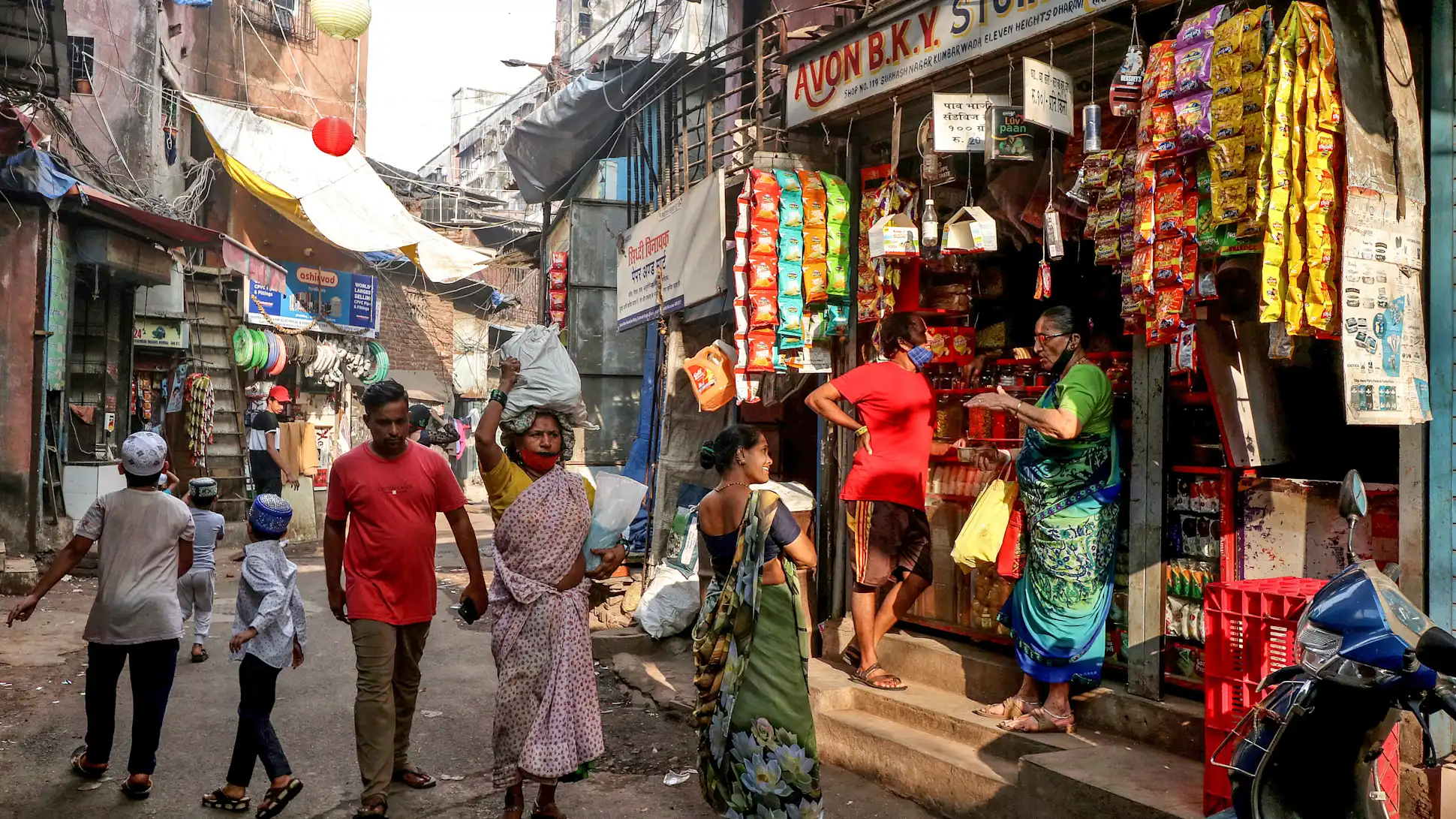
Dharavi generates an estimated annual turnover of one billion USD through its leather, pottery, textile, and recycling industries, yet the area remains misunderstood by visitors who frame it solely through a lens of poverty. Ethical touring begins with recognizing Dharavi as a functioning economic ecosystem and residential neighborhood, not a spectacle. Residents have asked visitors to follow specific protocols, and ignoring them treats the community as a backdrop rather than a living space. Responsible operators work with local cooperatives, employ resident guides, and return a portion of tour revenue to community development projects. Unregulated tours often exploit residents by leading groups through private homes without consent, photographing children without permission, and framing the visit as voyeuristic rather than educational. A dharavi slum tour ethical in structure will brief participants on consent protocols before entry, prohibit photography in residential zones unless explicitly permitted, and contextualize the industries and social infrastructure visitors observe. The difference between ethical and extractive tourism lies in whether the community benefits from your presence or merely tolerates it. Safety concerns are minimal when visiting with a registered guide during daylight hours. The neighborhood operates with established norms, and respectful visitors are welcomed. Dress modestly, avoid pointing cameras at individuals without asking, and decline offers to enter private homes unless the guide confirms prior arrangement with the resident. Physical contact with machinery, raw materials, or work surfaces in industrial units should be avoided unless the artisan invites interaction. Many workshops handle caustic tanning agents, heated kilns, and sharp tools. Community advocates emphasize that ethical engagement requires recognizing residents as stakeholders in the tourism narrative. Tours should illuminate the skill, enterprise, and social networks that sustain Dharavi rather than reduce it to a site of deprivation. When tourism respects these boundaries, it funds schools, sanitation projects, and vocational training programs. When it does not, it extracts stories and images while leaving nothing behind. The framework for a responsible visit is clear, and the choice belongs to the visitor.
“Ethical touring begins with recognizing Dharavi as a functioning economic ecosystem and residential neighborhood, not a spectacle.”
Dharavi is a living community, not a spectacle. Respectful conduct protects residents' dignity and privacy while allowing you to observe the area's vibrant industries and daily life.
The best arrival window is 08:00–10:00, which allows visitors to observe the daily activity of local industries while minimizing obstruction to residents during peak commute hours. Visiting during this period ensures a respectful balance between community life and tour operations.
Cool and dry (20°C–30°C)
This period offers the most comfortable temperatures for walking through the narrow lanes of the settlement. High visibility and stable weather make it ideal for observing industrial processes outdoors.
Hot and humid (25°C–35°C)
Temperatures rise significantly during these months, requiring earlier start times within the 08:00–10:00 window. Activity levels remain high as businesses complete production before the peak heat.
High humidity and heavy rainfall
Frequent monsoon rains can make navigation difficult. Visitors should prepare for potential disruptions to outdoor workshops and daily logistics during this season.
—
Arriving between 08:00–10:00 avoids the heaviest community transit times. This timing respects the workspace environment by observing operations before the midday peak.
Verdict: The optimal time for an ethical experience is between 08:00–10:00 during the cooler months of November to February.
Dharavi is located centrally within Mumbai, accessible via the extensive suburban railway network. Using public transport is the recommended approach to minimize traffic congestion in the surrounding area.
Western Line to Mahim Junction or Central Line to Sion Station
Direct hire to Dharavi Main Road via LBS Marg
Walk from Mahim Junction to the tour meeting point
For the best experience, plan your travel to arrive within the best arrival window of 08:00–10:00 to observe local industry operations while avoiding peak congestion.
Everything you need to know about dharavi slum tour ethical
A dharavi slum tour ethical experience depends on selecting reputable operators who prioritize dignity and contribute back to local social projects. These visits focus on highlighting the vibrant small-scale industries and community resilience rather than exploiting poverty.
The area is a residential and commercial neighborhood, so there is 0 INR (Free entry; tours are guide-led services provided by private operators.) to enter the public space. Any costs associated with your visit are strictly for the professional services of your guide.
To practice a dharavi slum tour ethical approach, choose local guides who live or work within the area and reinvest proceeds into schools or vocational training. Transparent operators will clearly explain how your presence benefits the neighborhood economy.
Photography restrictions are standard to protect the privacy of residents and children. Most operators strictly prohibit taking photos inside residential homes and alleys to maintain a respectful dharavi slum tour ethical standard.
Yes, visiting with an experienced local guide is considered safe as they have established relationships with residents and navigate the narrow lanes daily. These experts provide crucial context and ensure visitors follow local etiquette for a dharavi slum tour ethical visit.
Families often visit, but parents should evaluate the suitability based on their child's maturity and ability to navigate dense, busy industrial environments. It is recommended to discuss specific needs with your chosen operator before booking.
The best arrival window is 08:00–10:00. These morning hours offer cooler temperatures and observe the daily activity of the local industries.